CAD, prototyping, and test-driven iteration.
I take ideas from CAD to working prototypes and refine them through repeatable testing and documented results. Projects span mechanical packaging, reliable assembly, structural validation, and instrumentation for quantifying performance.
Strengths
- Mechanical design: interfaces, mounting, tolerances, and serviceability.
- Rapid iteration: fast revisions guided by fit checks and observed outcomes.
- Validation: repeatable test procedures, FEA comparisons, and clear change logs.
- Instrumentation: sensor integration and calibration for reliable measurement.
Tools / experience
Projects
Selected work across mechanical design, prototyping, simulation, and instrumentation.
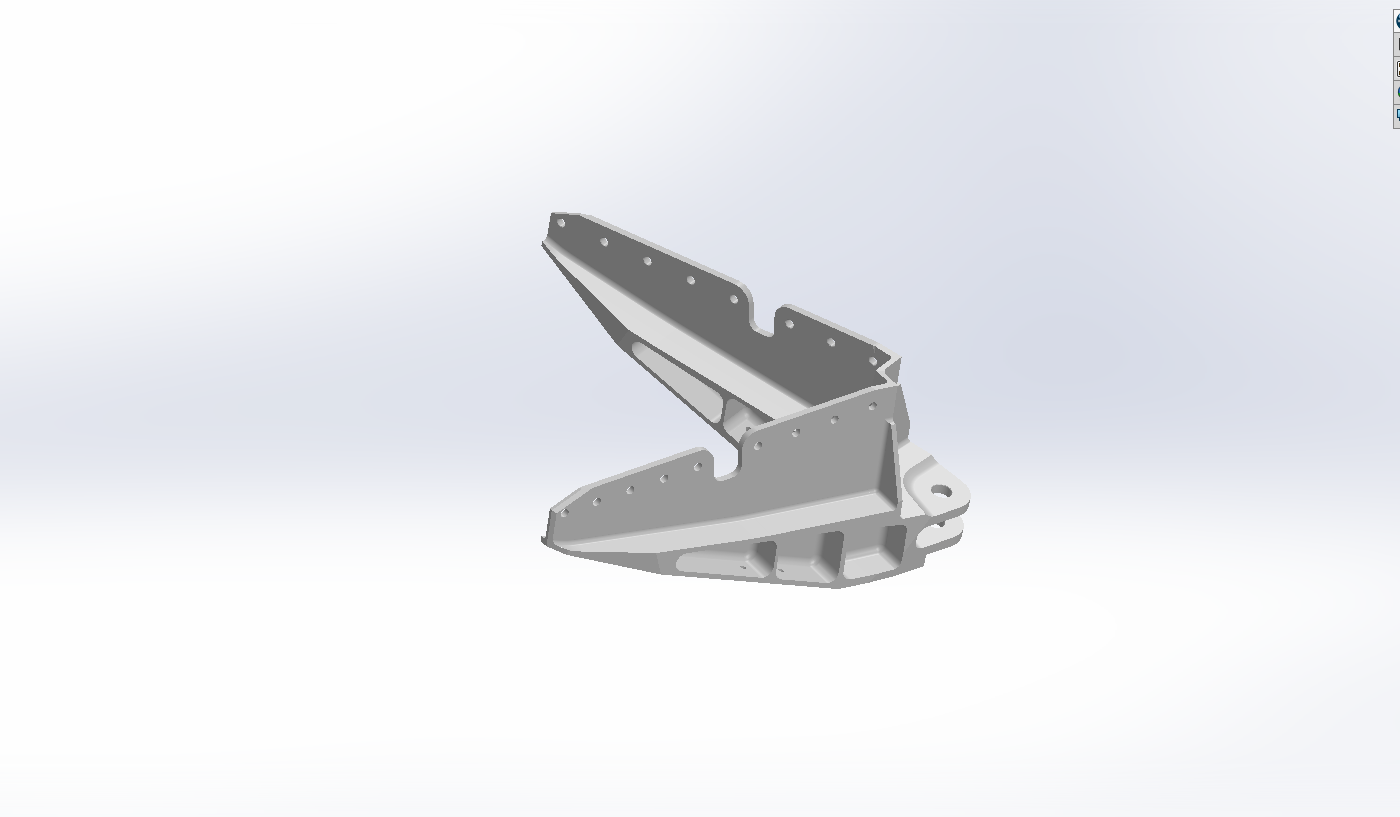
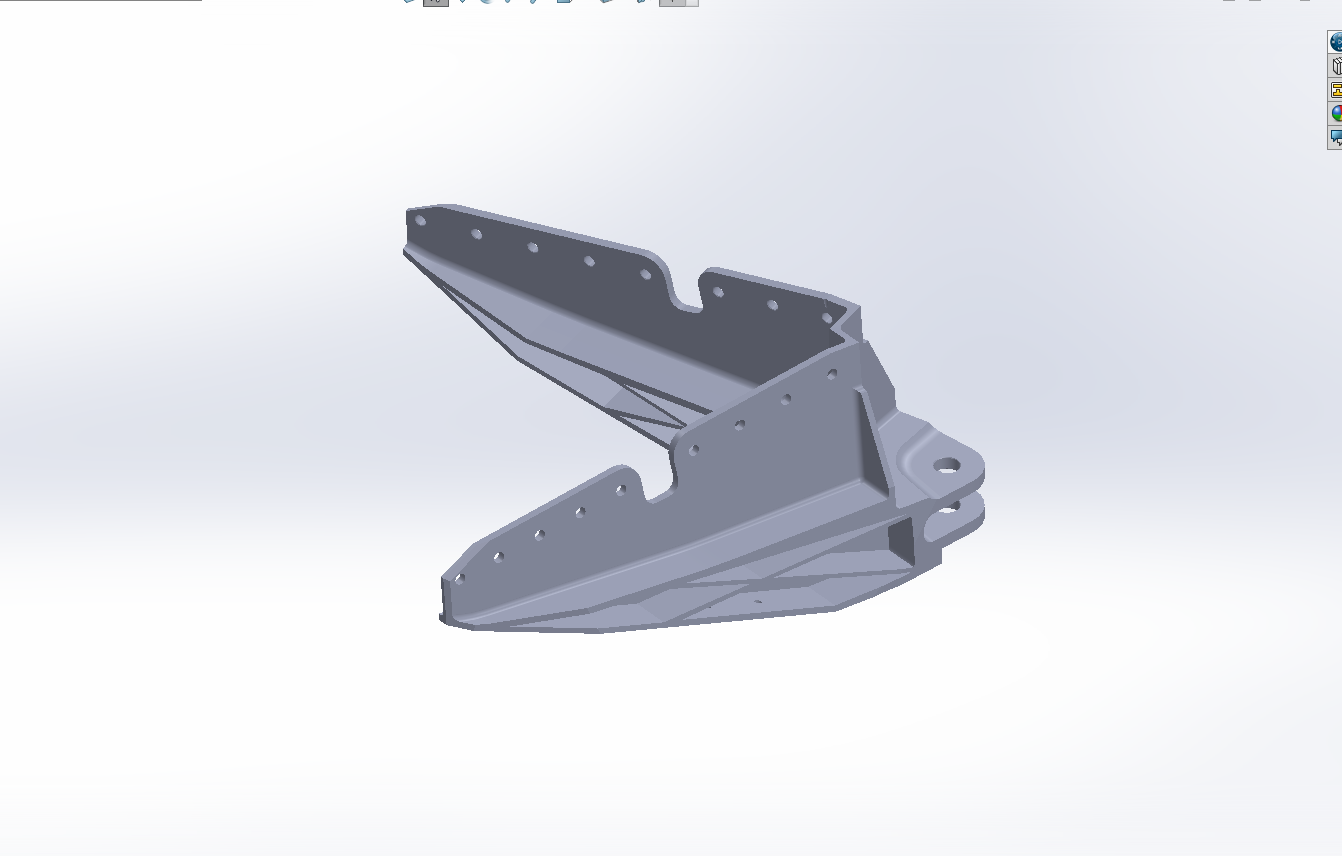
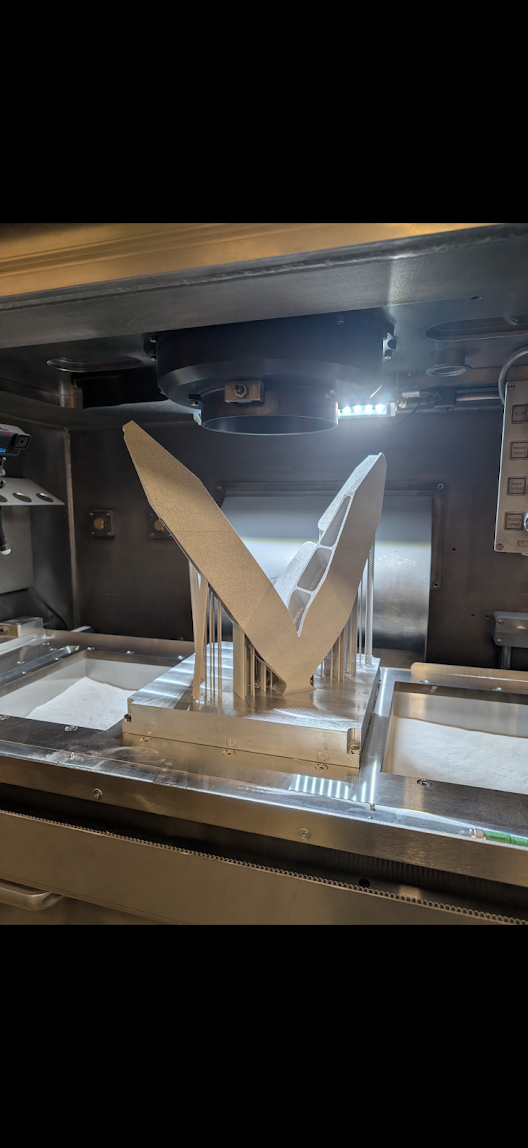
Aerospace Actuator Bracket — DFAM Lightweight Redesign
Redesigned an actuator interface bracket using an engineering-focused DFAM approach. The revision preserved the critical mounting and clevis interfaces while using localized material removal and ribbed load paths to reduce peak stress and improve structural margin. The design was validated in FEA under 1.25× loading conditions.
What I redesigned
- Created an initial actuator bracket concept preserving the required mounting and clevis interfaces.
- Developed a lightweighted revision using localized material removal and ribbed structural load paths.
- Kept mass nearly unchanged while improving the bracket's stress response and safety margin.
FEA validation
- Compared the original concept and lightweighted redesign under the same 1.25× loading conditions.
- Reduced maximum von Mises stress from approximately 4.51e8 Pa to 4.20e8 Pa.
- Increased minimum factor of safety from approximately 1.1 to 1.2, creating a safer design with more margin.
- Maintained nearly identical mass at approximately 4.4 lb.
DRZ400 Carb Adapter — Velocity Stack Geometry
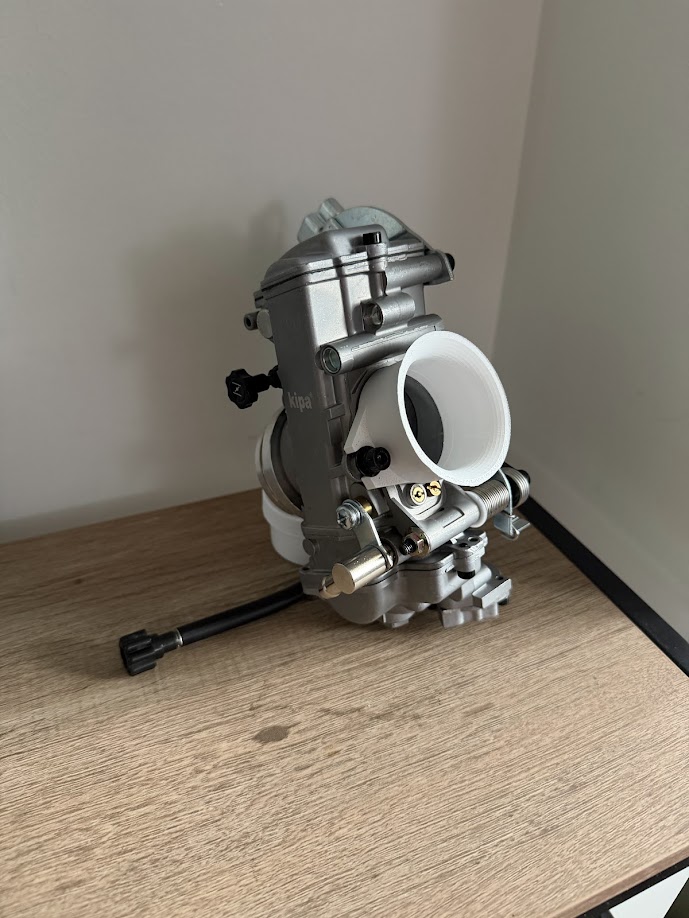
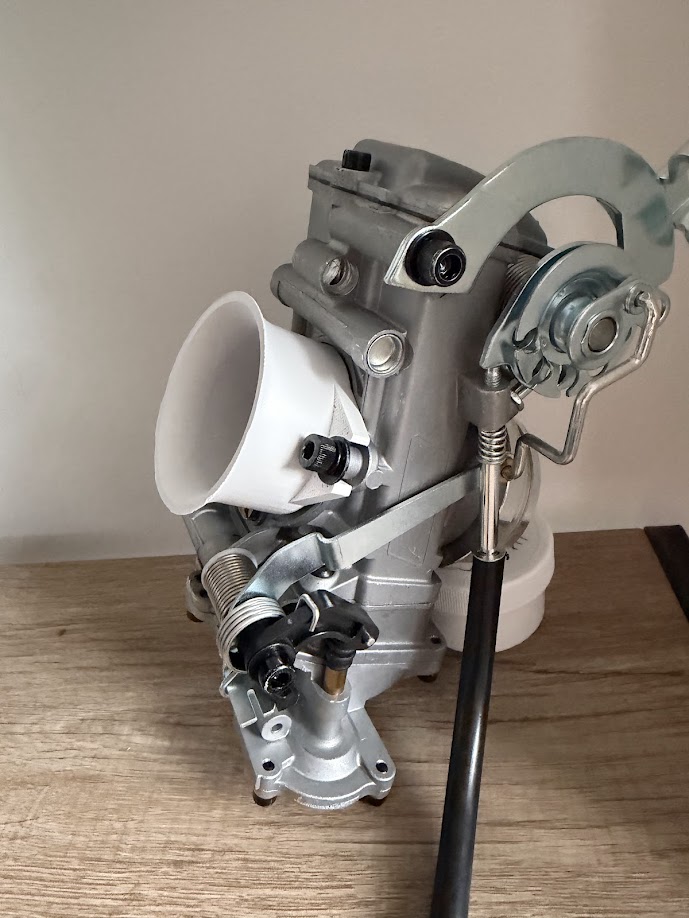
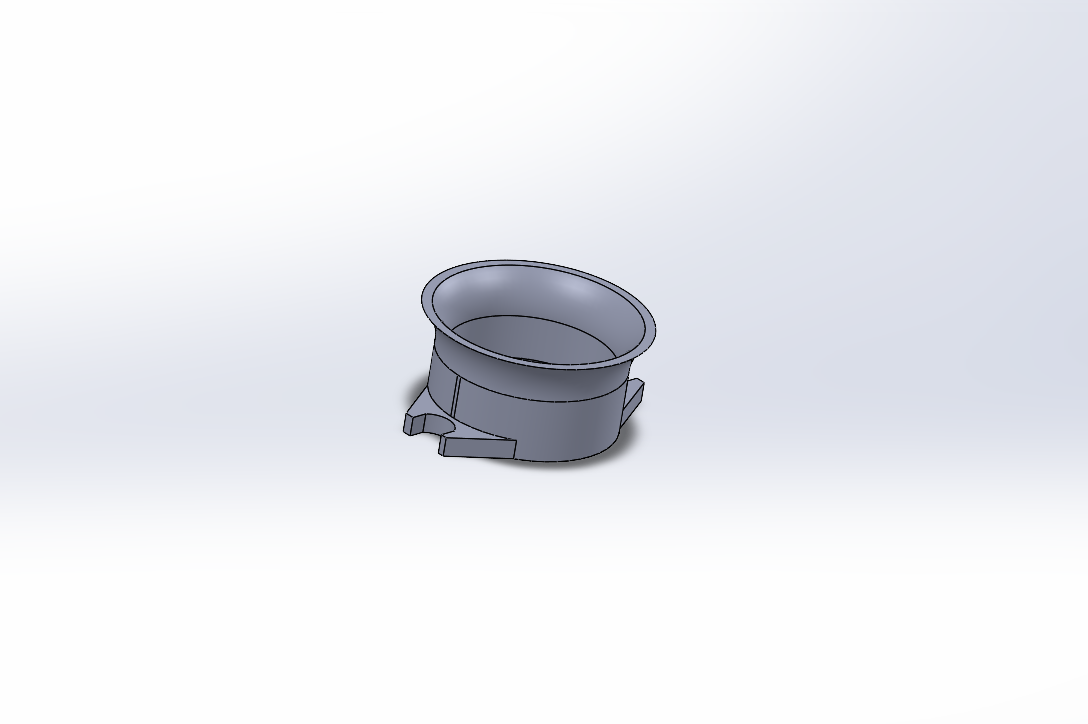
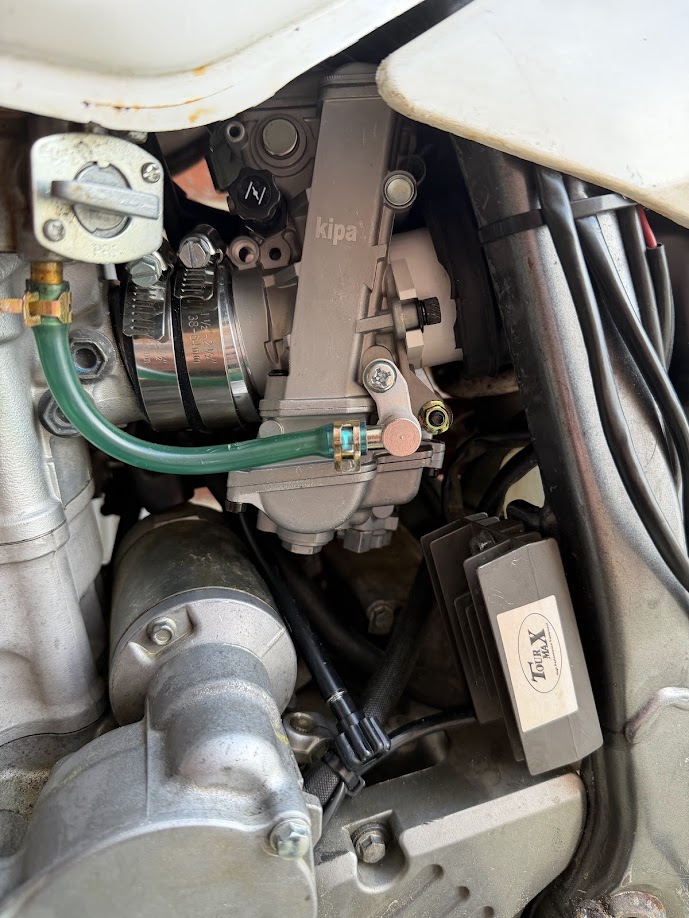
Custom adapter designed to maintain the factory velocity stack profile while fitting an aftermarket carburetor. Driven by interface measurements, modeled in CAD, and validated through physical fitment.
What I built
- Modeled adapter from measured carb and airbox interfaces.
- Preserved velocity stack taper to maintain intake airflow geometry.
- Iterated geometry until fitment was clean and repeatable.
Key considerations
- Tight dimensional tolerances on both mating faces.
- Geometry constrained to maintain stack profile — not just clearance.
- Validated against installed carburetor with no rework needed.
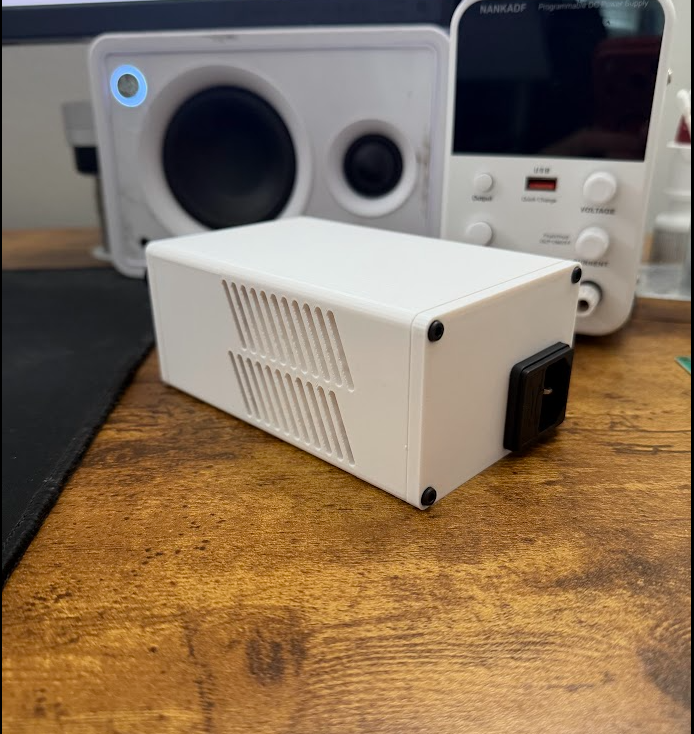
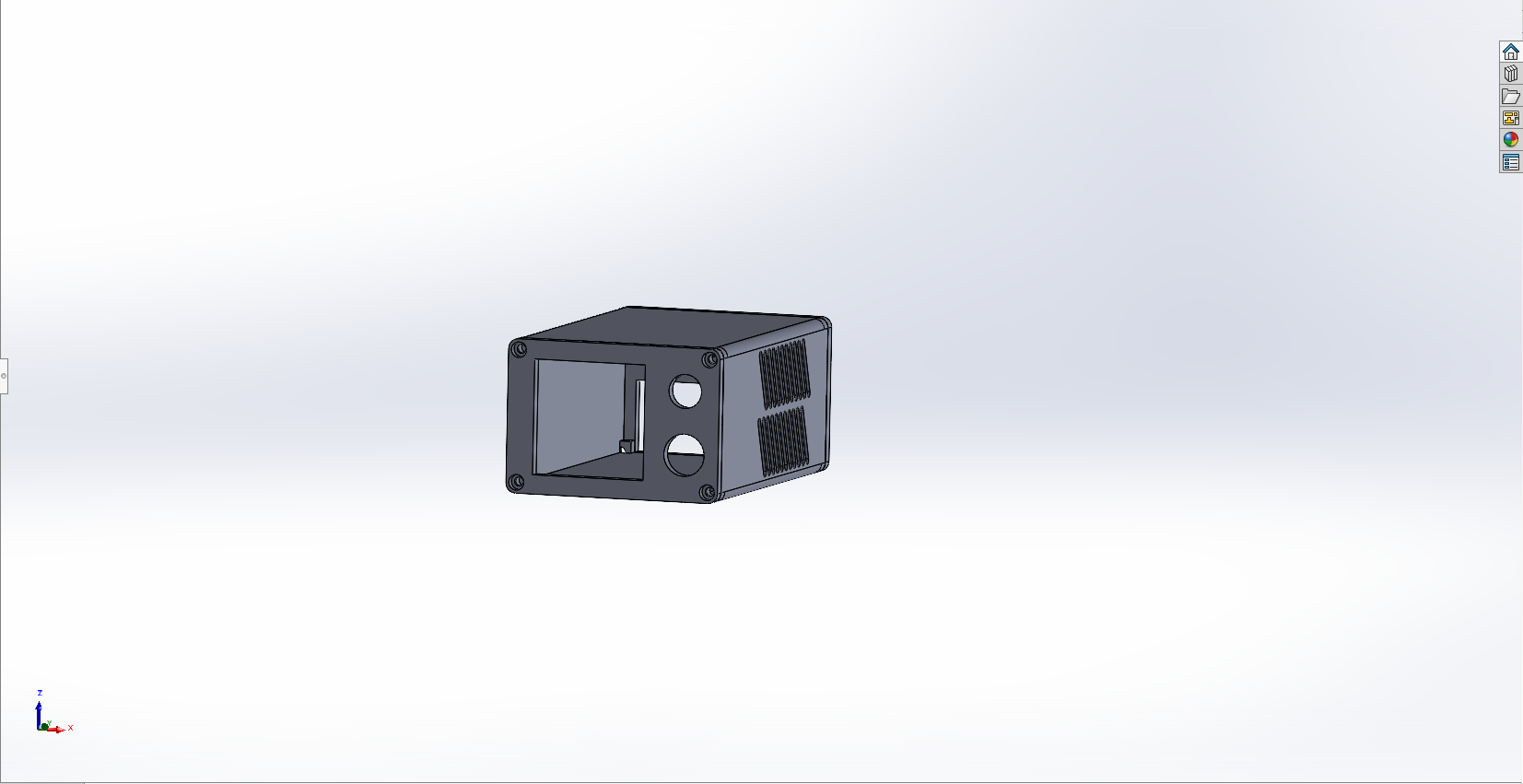
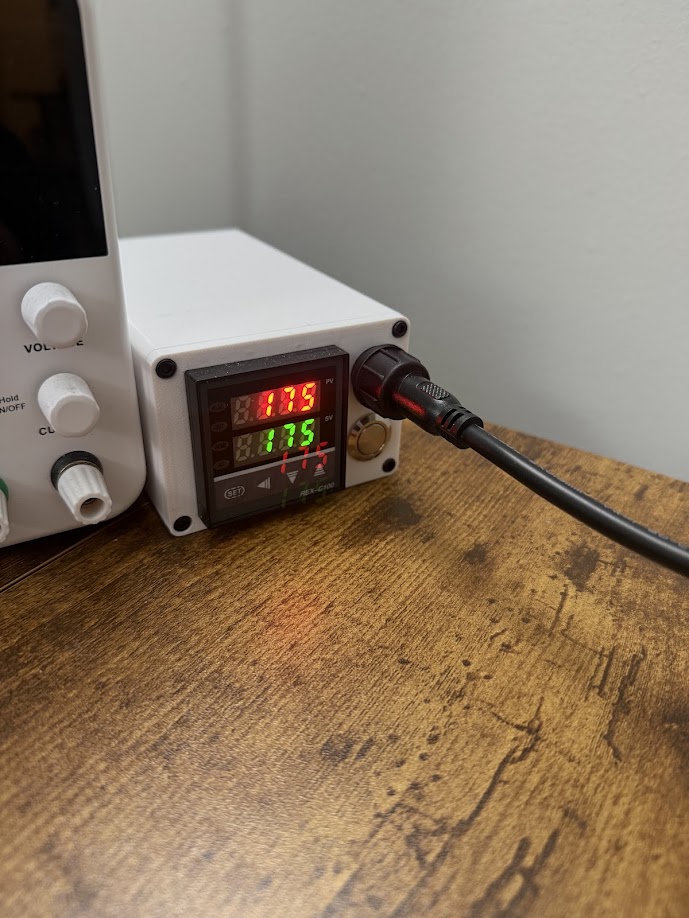
Thermocouple Temperature Control Test Rig
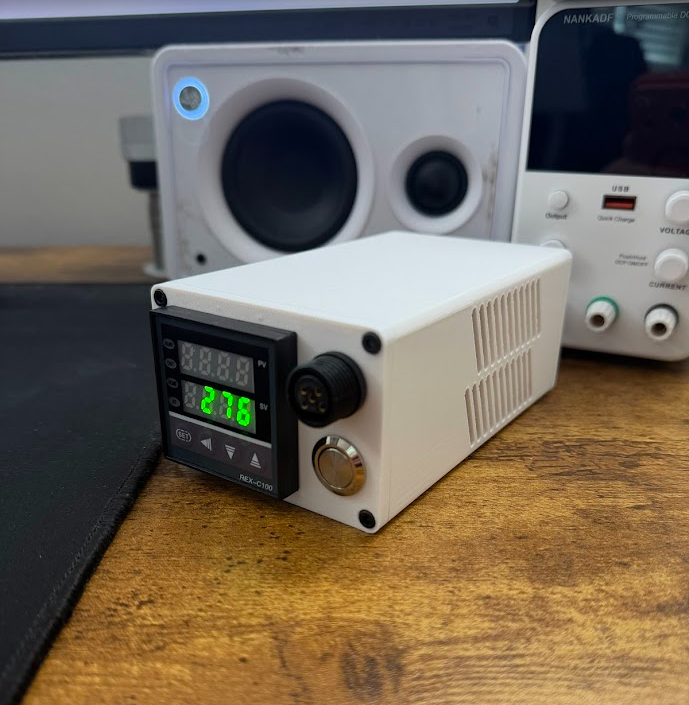
Repeatable thermal test setup with closed-loop feedback. Built to tune response and evaluate overshoot, settling time, and steady-state error against consistent baselines.
What I built
- Control stack around thermocouple feedback with safe operating limits.
- Tuning workflow prioritizing stability before speed.
- Documented change log tied to observed step response behavior.
Validation
- Step response runs to compare tuning changes head-to-head.
- Repeatability confirmed across multiple trials.
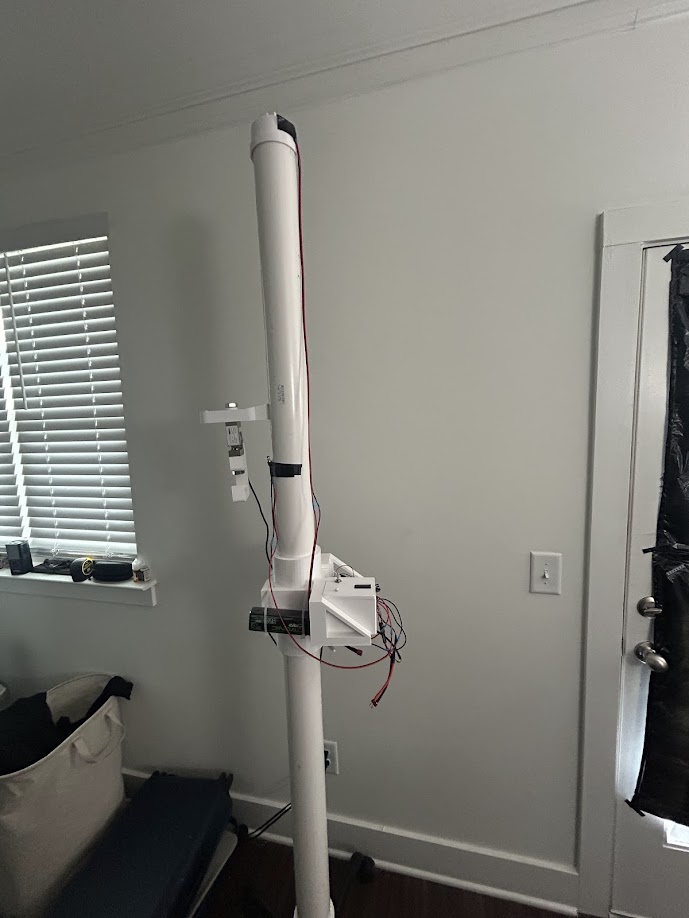
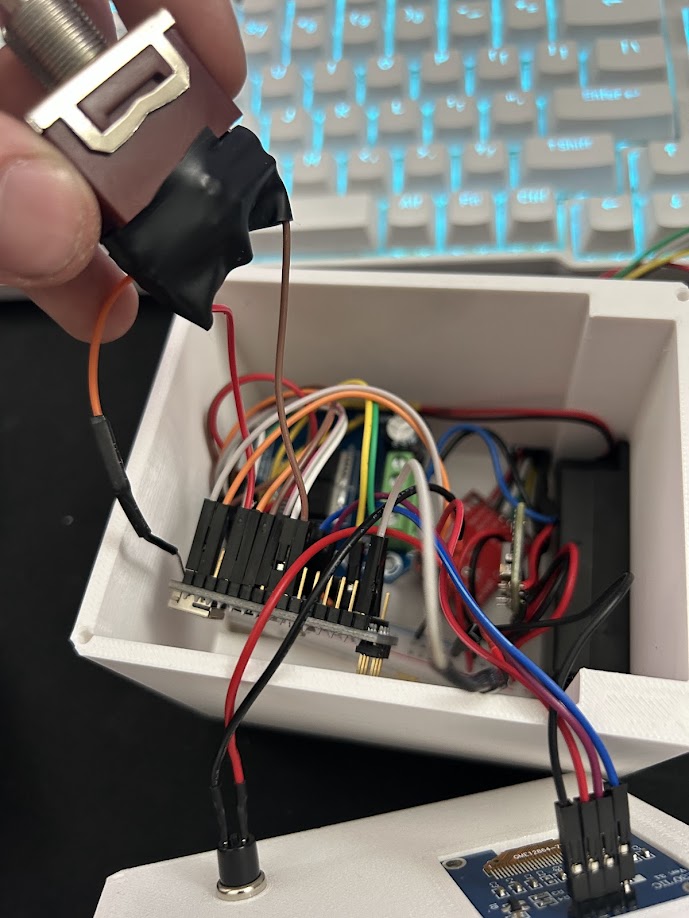
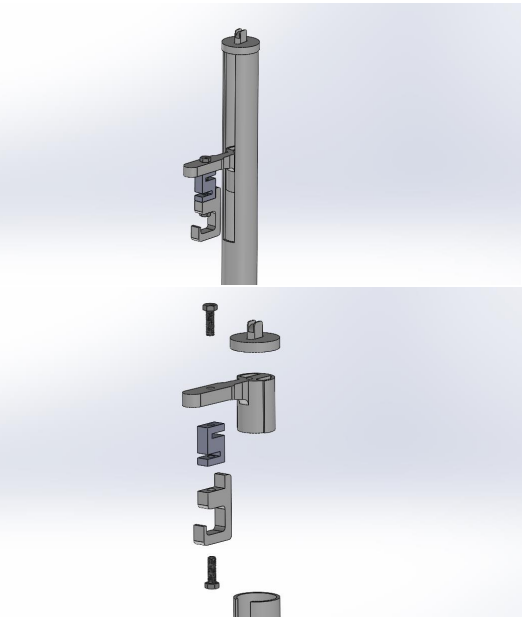
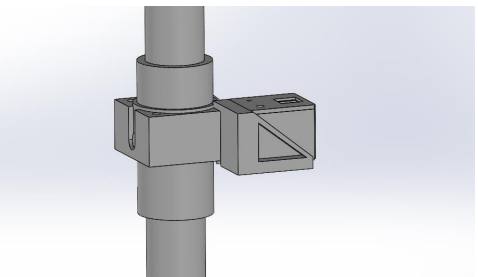
Smart IV System (Concept + Prototype Plan)
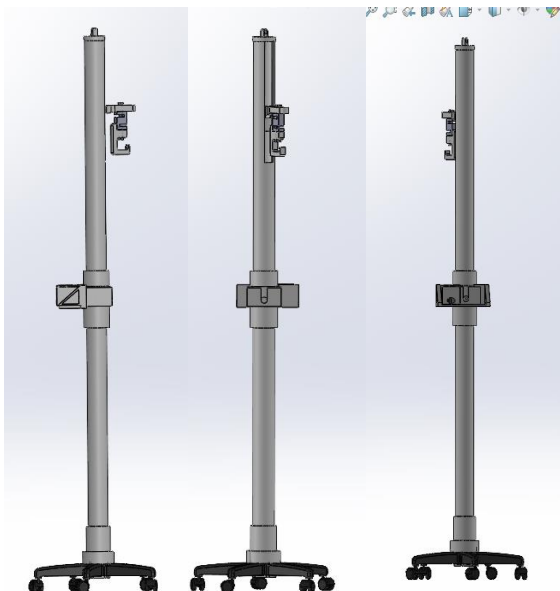
Requirements-driven concept structured as a real development effort: constraints → design decisions → verification plan. Focused on mechanical reliability, usability, and measurement accuracy.
What I defined
- Safety, repeatability, and operator feedback requirements.
- Mechanical architecture with predictable behavior and safe limits.
- Measurement constraints: calibration, drift, and repeatable zeroing.
Verification approach
- Bench testing against known conditions with acceptance criteria.
- Cycle testing for wear and failure-mode analysis.
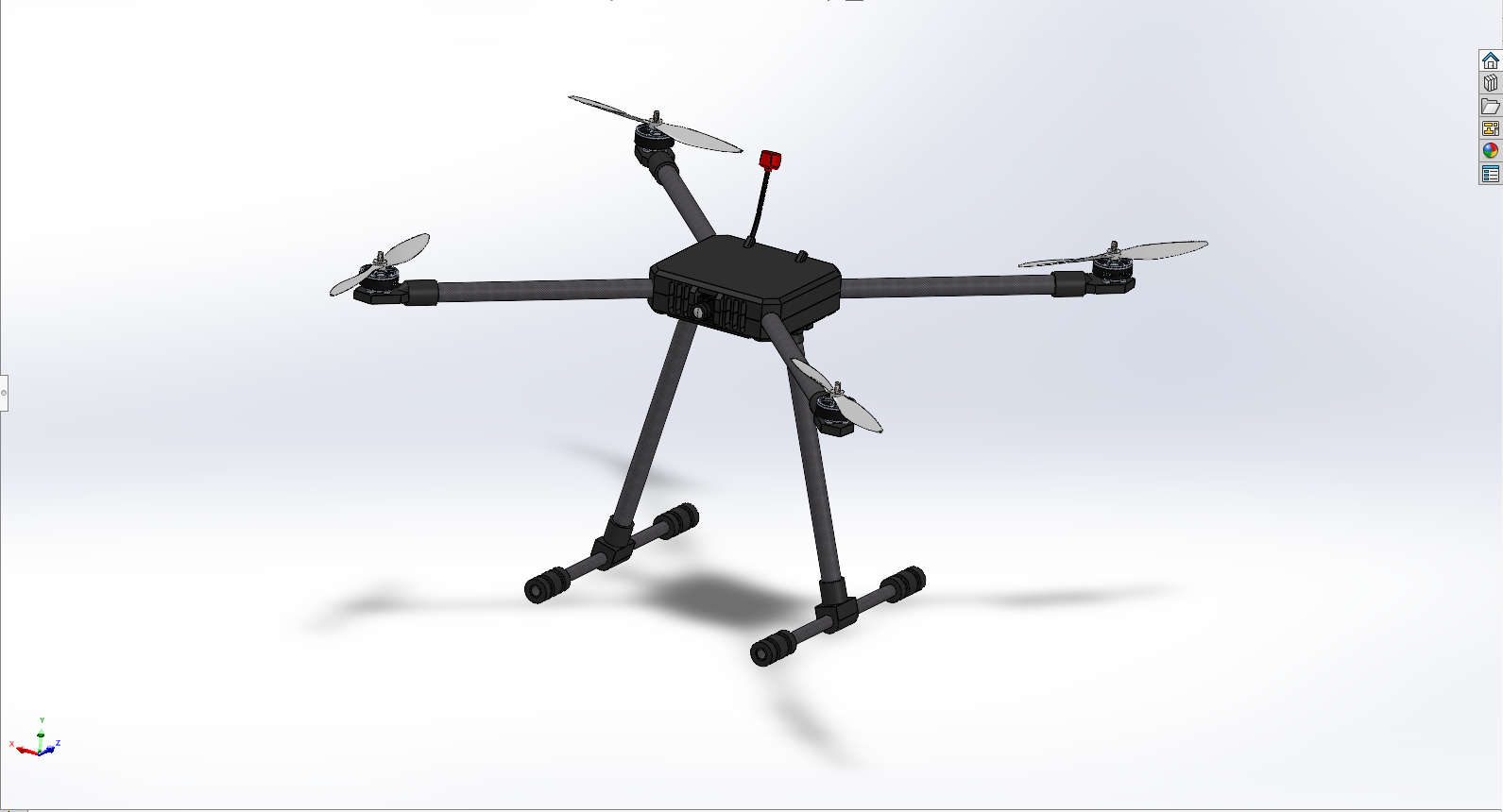
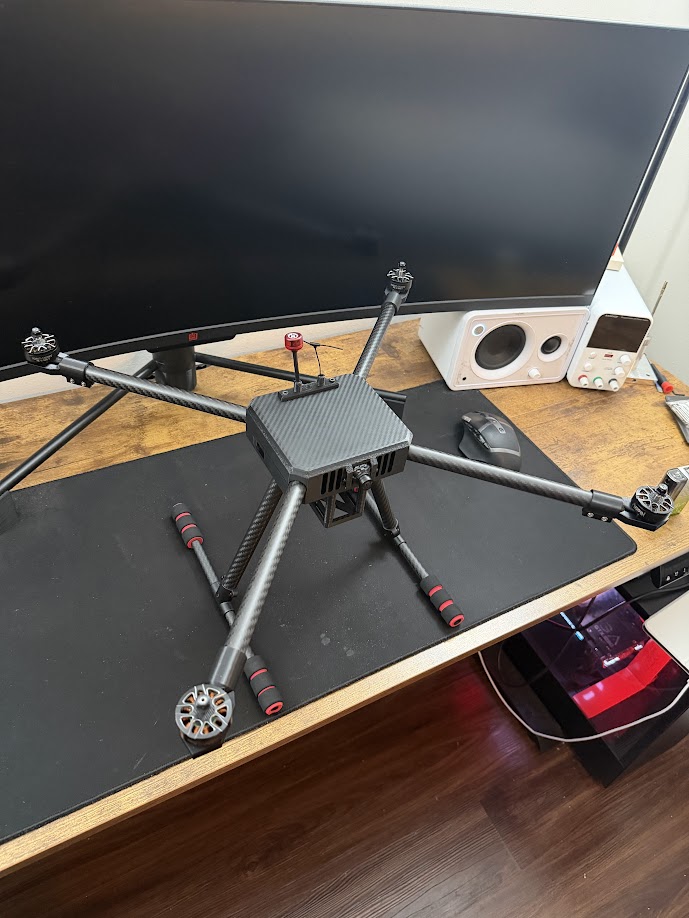
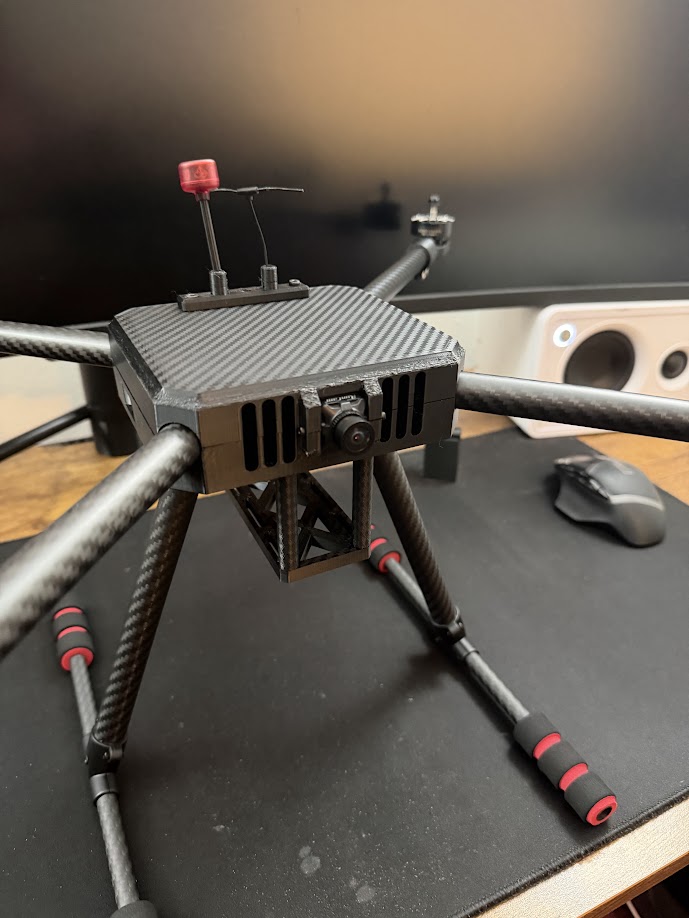
Autonomous Drone Platform (Build + Integration)
Full platform build under real constraints — weight, vibration, packaging — with reliability treated as a core requirement.
What I built
- Packaging decisions to reduce failure points and ease serviceability.
- Vibration-aware mounting strategy with documented tradeoffs.
Iteration approach
- Controlled changes with consistent evaluation checks each cycle.
- Change log with observed impact on performance and reliability.
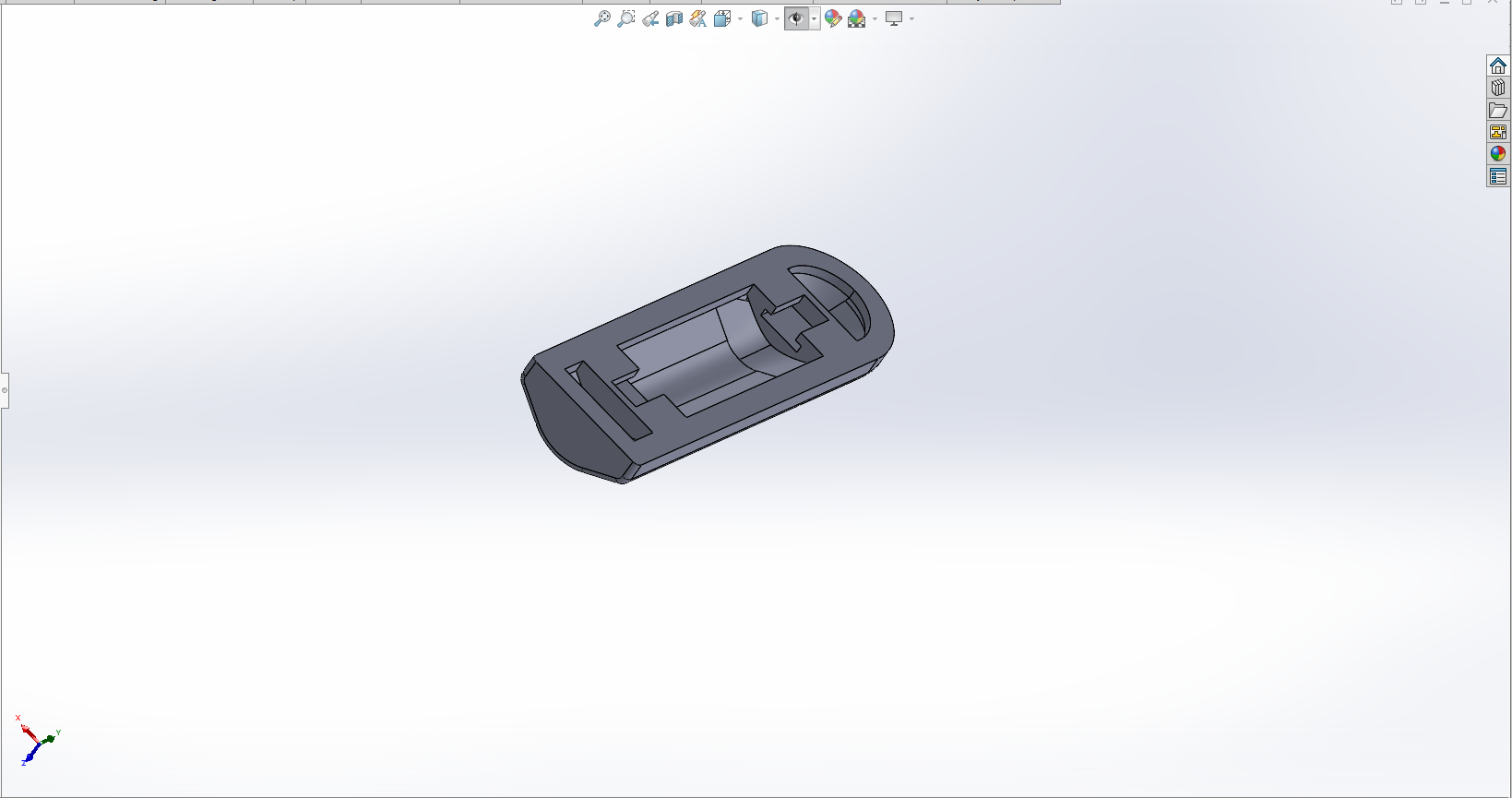
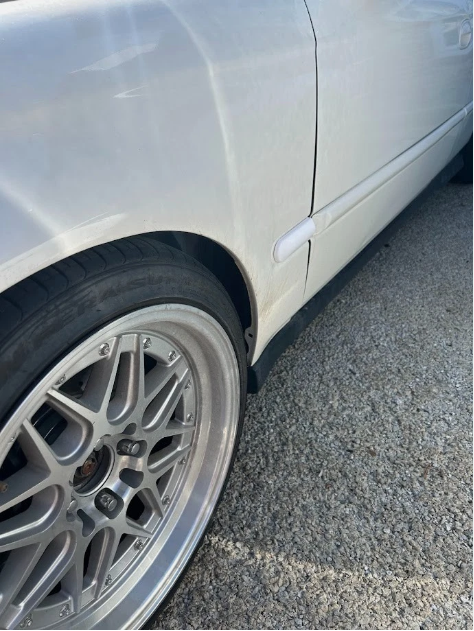
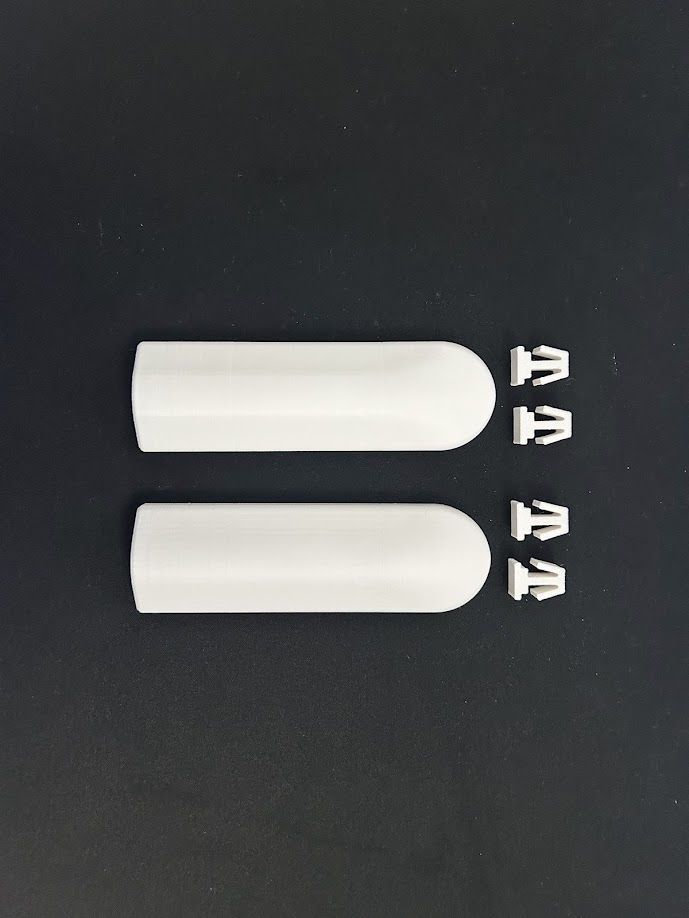
Automotive Trim Component (CAD → Prototype → Fitment)
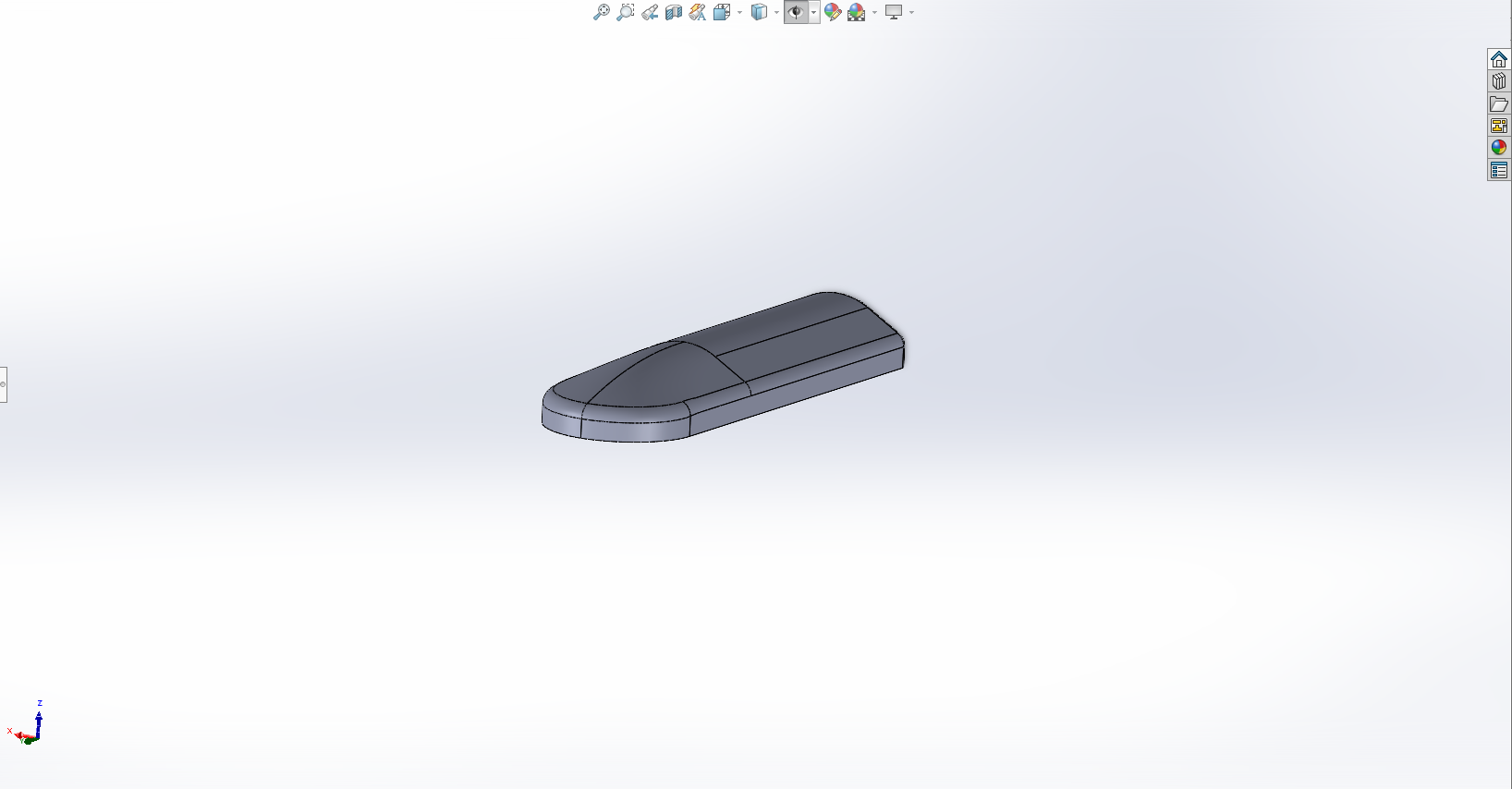
Full part cycle: measured interfaces, modeled geometry, rapid prototypes, and revisions until installation was clean and repeatable.
What I built
- Interface-driven design: clearances, mounting geometry, tolerance awareness.
- Prototyped and revised using physical fit checks and notes each round.
How results were captured
- Revision history with rationale for each change.
- Critical dimensions and acceptance criteria documented for final install.
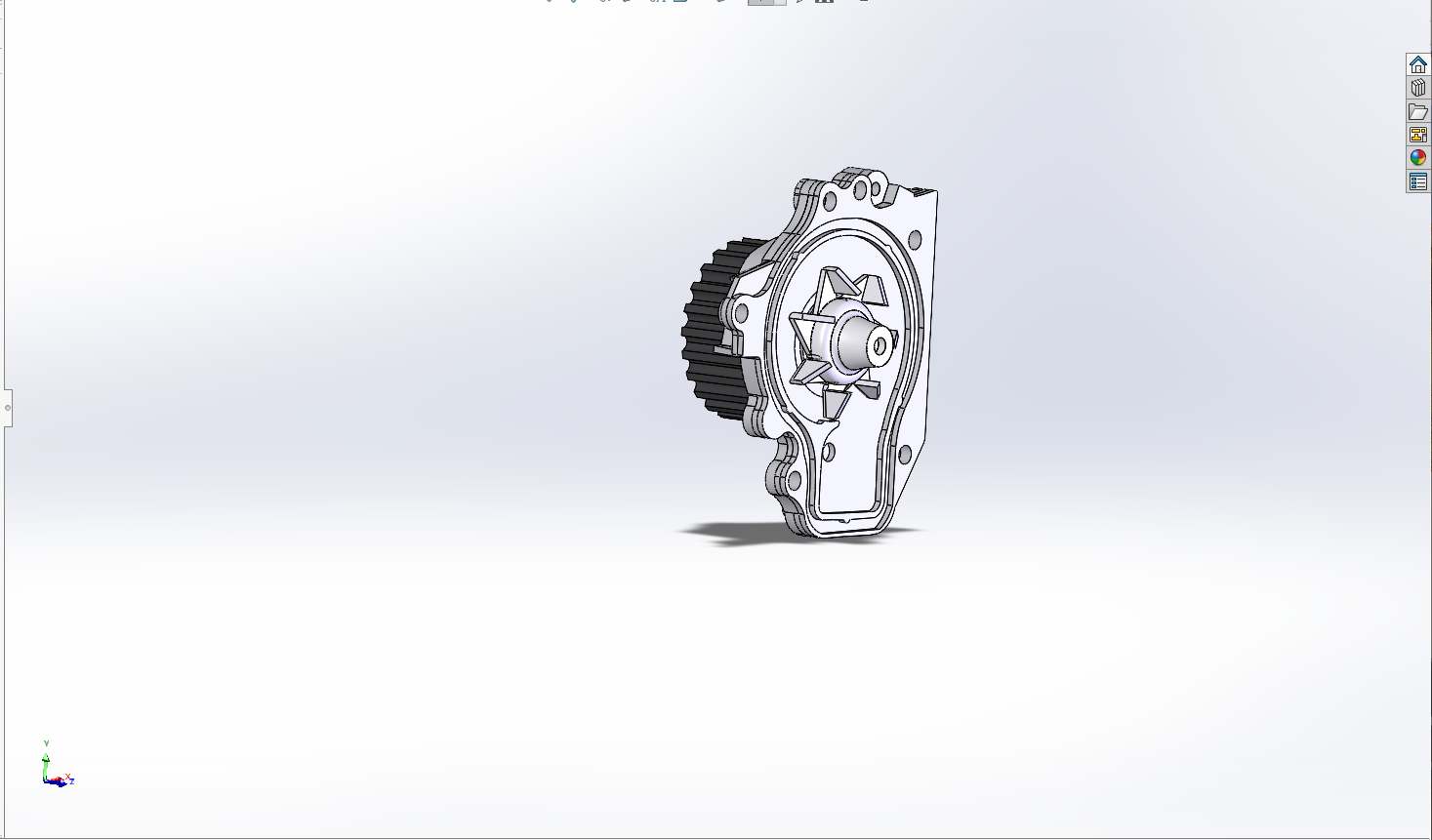
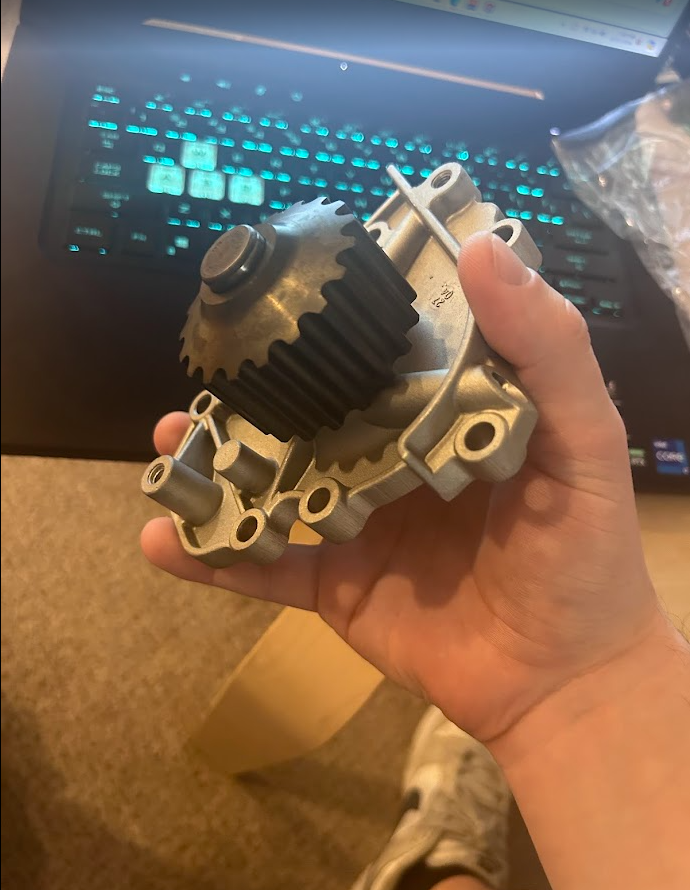
Water Pump Assembly Model (SolidWorks)
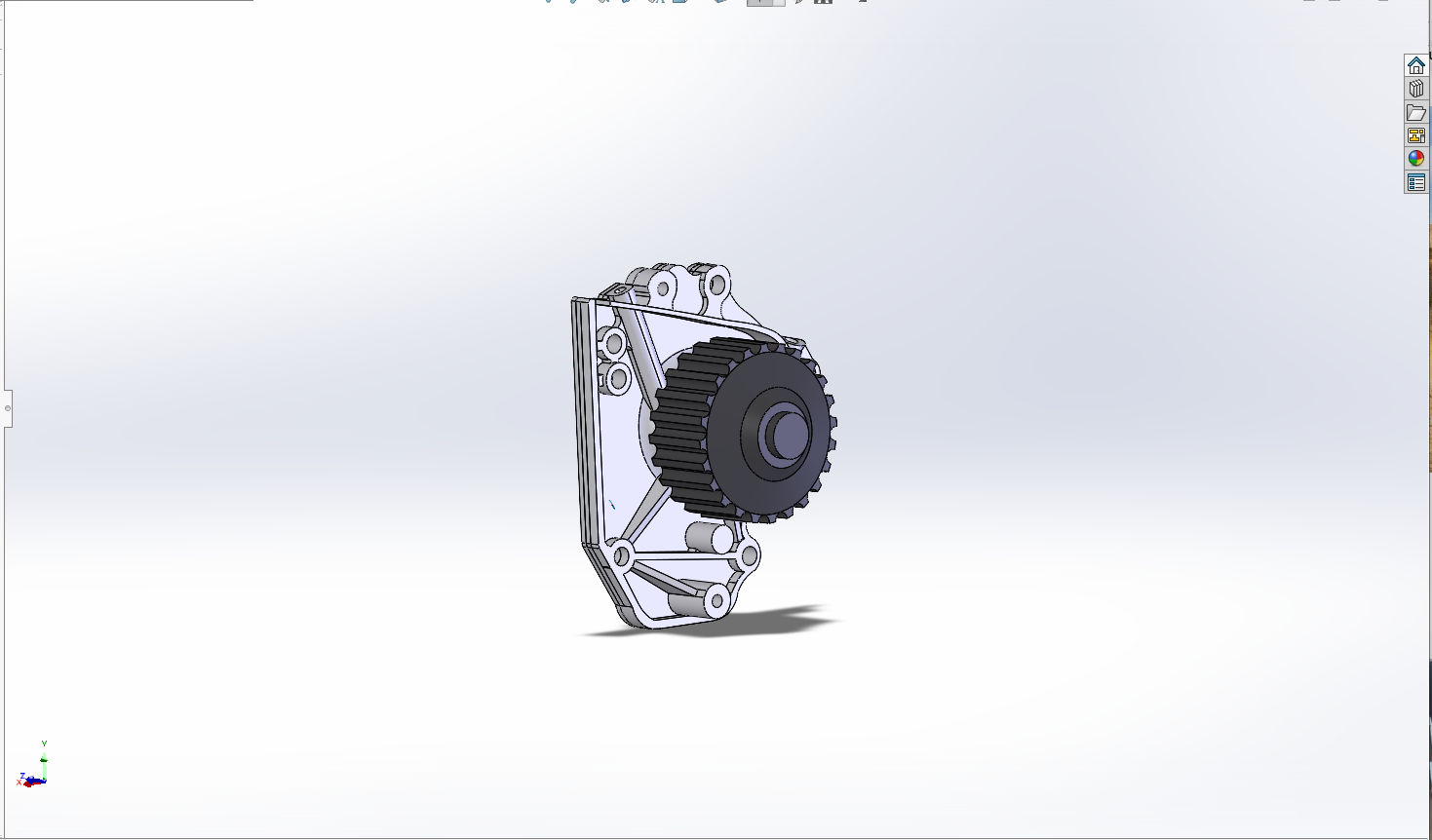
Structured assembly emphasizing mechanical fundamentals: component breakdown, constraint-driven mates, and interface clarity.
What I built
- Constraint-driven assembly with clean part relationships and reviewable structure.
- Design intent captured through views and notes, not just geometry.
Engineering considerations
- Interface surfaces, fastener access, and assembly/serviceability in every layout decision.
- DFM mindset: manufacturable geometry and logical build sequence.
Contact
For recruiting or project inquiries: